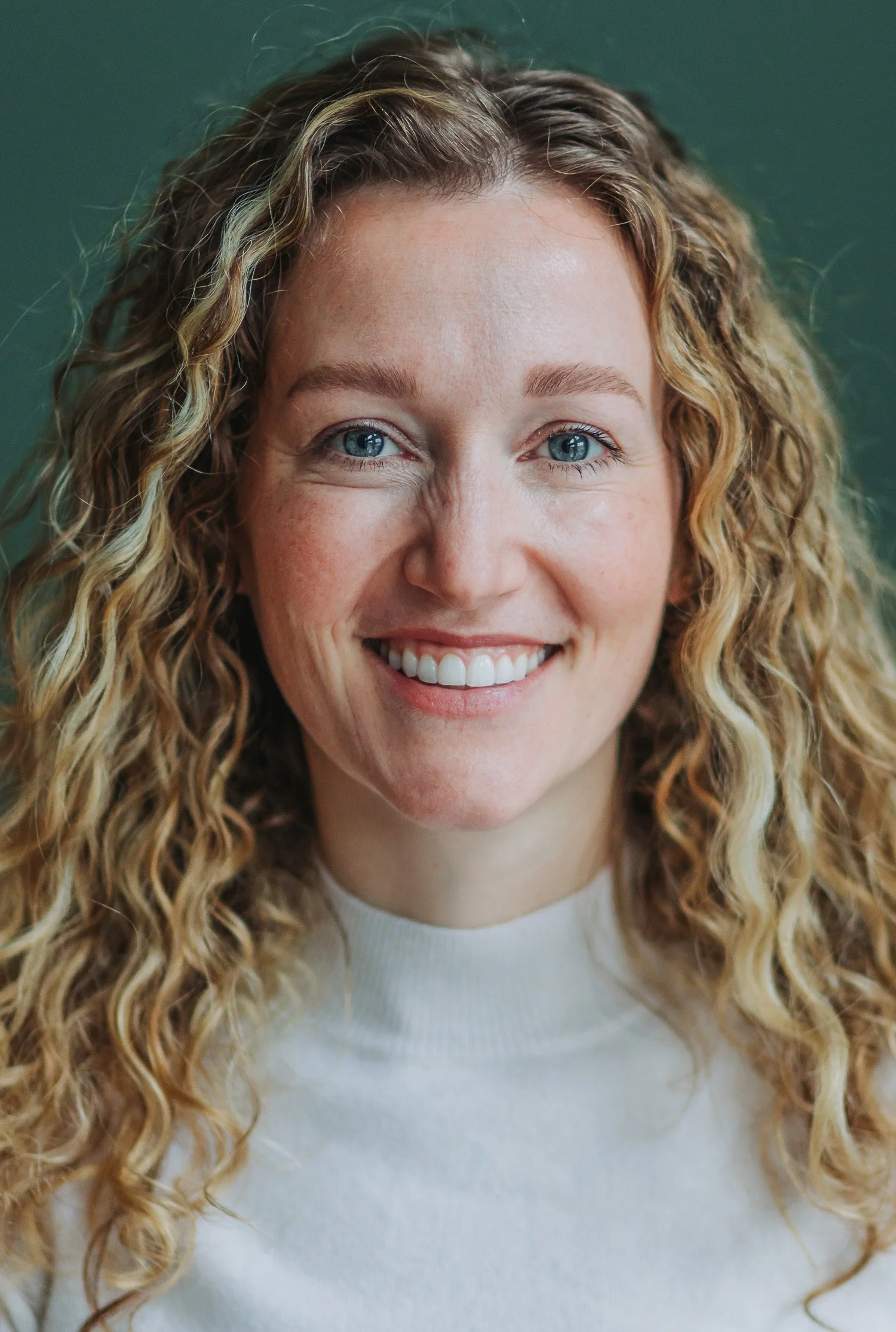
My Story
I grew up in the Northeast Kingdom of Vermont and studied Biology at Johns Hopkins University in Baltimore, initially with hopes of becoming a scientist. I found my way to medicine through a detour into healthcare consulting in Chicago — where working at the intersection of women's health and healthcare delivery changed the course of everything. I completed my MD and Master of Public Health at Tufts University School of Medicine in Boston, then trained in Obstetrics and Gynecology at the Hospital of the University of Pennsylvania in Philadelphia, where I discovered my passion for gynecology, caring for women in a dedicated menopause clinic and developing a structured approach to chronic pelvic pain through a self-guided quality improvement project.
After a few years in practice in Philadelphia, I moved back to northern New England, where I now practice and live with my family. Caring for these conditions within traditional healthcare systems, and drawing on my earlier work in healthcare delivery, has led me to ask a question I find myself returning to often: what would it look like to care for my patients in a fundamentally different way.
Photos by Caitlin Gomes Photography.
Areas of Focus
-
Pelvic pain is one of the most undertreated conditions in women's health — often dismissed for years before receiving a name. I take a thorough, evidence-based approach to understanding the full picture of your pain, whether or not you have a formal diagnosis, and work with you toward real relief.
-
Conditions like vulvodynia, vestibulodynia, and lichen sclerosus affect women deeply and are profoundly underrecognized in mainstream medicine. I offer careful, unhurried evaluation and long-term management of these conditions — with the seriousness and respect they deserve.
-
Sexual pain, vaginismus, and pelvic floor dysfunction are common, treatable, and rarely talked about openly enough. I provide a trauma-informed, judgment-free space to evaluate these concerns and coordinate care across the disciplines — including pelvic floor physical therapy and behavioral health — that can make a meaningful difference.
-
Perimenopause and menopause are not a single moment — they are a years-long transition that affects every system in the body. I take a personalized, evidence-based approach to hormone therapy and symptom management, with the time to understand your individual history, risk profile, and goals.
-
A trauma-informed approach means more than sensitivity — it means that you are in control of your own examination, that nothing happens without your full understanding and consent, and that your experience in your care is shaped around your needs rather than a clinic schedule. Every visit is built around listening first.
-
Evidence-based medicine means that the care I recommend is grounded in the best available science — not trendy, not convention, and not what has simply always been done. For conditions that have historically been under-researched, I believe you deserve a physician who reads critically, stays current, and is honest with you about what we know and what we are still learning.